
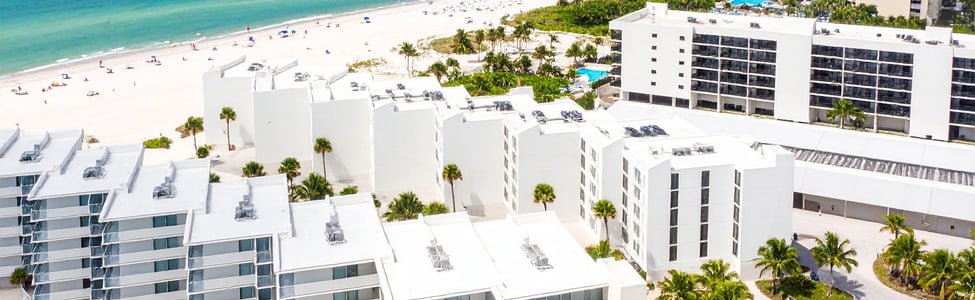
If you’re a cash buyer, real estate investor, or 1031 exchange client looking at the Sarasota condo market, you may have heard the term “non-warrantable condo.” But what exactly does that mean—and why should it matter to you?
Let’s break it down.
What Is a Non-Warrantable Condo?
A non-warrantable condo is a condominium unit that does not meet conventional lending guidelines—most notably, those set by Fannie Mae and Freddie Mac. These units are considered higher-risk by lenders and typically cannot be financed using traditional mortgages.
Some reasons a condo may be considered non-warrantable include:
The condo association is involved in litigation
A high percentage of units are investor-owned or used as short-term rentals
The HOA doesn’t carry sufficient reserves or insurance
There are commercial units mixed into the development
The project lacks sufficient financial documentation or has failed recent safety inspections (like Milestone or Structural Integrity Reserve Studies)
Why Does This Matter to Investors?
If you're a cash buyer—especially using 1031 exchange funds—you’re not bound by conventional lending restrictions. This gives you access to opportunities others might miss.
Many of Sarasota’s most profitable, short-term rental-friendly condos fall into the non-warrantable category. These are not always found on your typical Zillow search, and many Realtors won’t flag or explain why a property is non-warrantable—either because they don’t know, or because they’re simply acting as "order takers" instead of true advisors.
This is where I come in.
My Exclusive List of Non-Warrantable Condos
I’ve built a curated list of Sarasota and Siesta Key condo communities that are currently non-warrantable, either due to financing guidelines, structural concerns, or HOA documentation issues.
I pair this list with active listings currently for sale in these complexes, updated constantly so my investor clients can evaluate true cash-flow potential in real time.
This list is not publicly available. Why? Because knowing which properties are unwarrantable gives you a competitive edge.
Real World Example
Let’s say you’re selling a duplex in Chicago and looking to do a 1031 exchange into a Florida rental. You might find a beautifully renovated Gulf-front condo on Siesta Key that looks like a dream—and your agent tells you it’s rentable.
But they fail to mention:
There’s a 3 month minimum rental restriction
The HOA doesn’t carry adequate reserves
It’s currently non-warrantable due to pending litigation
You may not care about financing, but you absolutely care about value protection, appreciation, and exit strategy. Non-warrantable doesn’t always mean “bad,” but you deserve to know the full picture.
I walk you through what the banks see, what the HOA won’t say, and how the numbers play out.